Join the alpha

Find the answer. Fix the problem.

Faultbench helps HVAC techs find the right part of the manual and work through a fault step by step. It runs on your laptop, and it keeps working when there’s no signal.

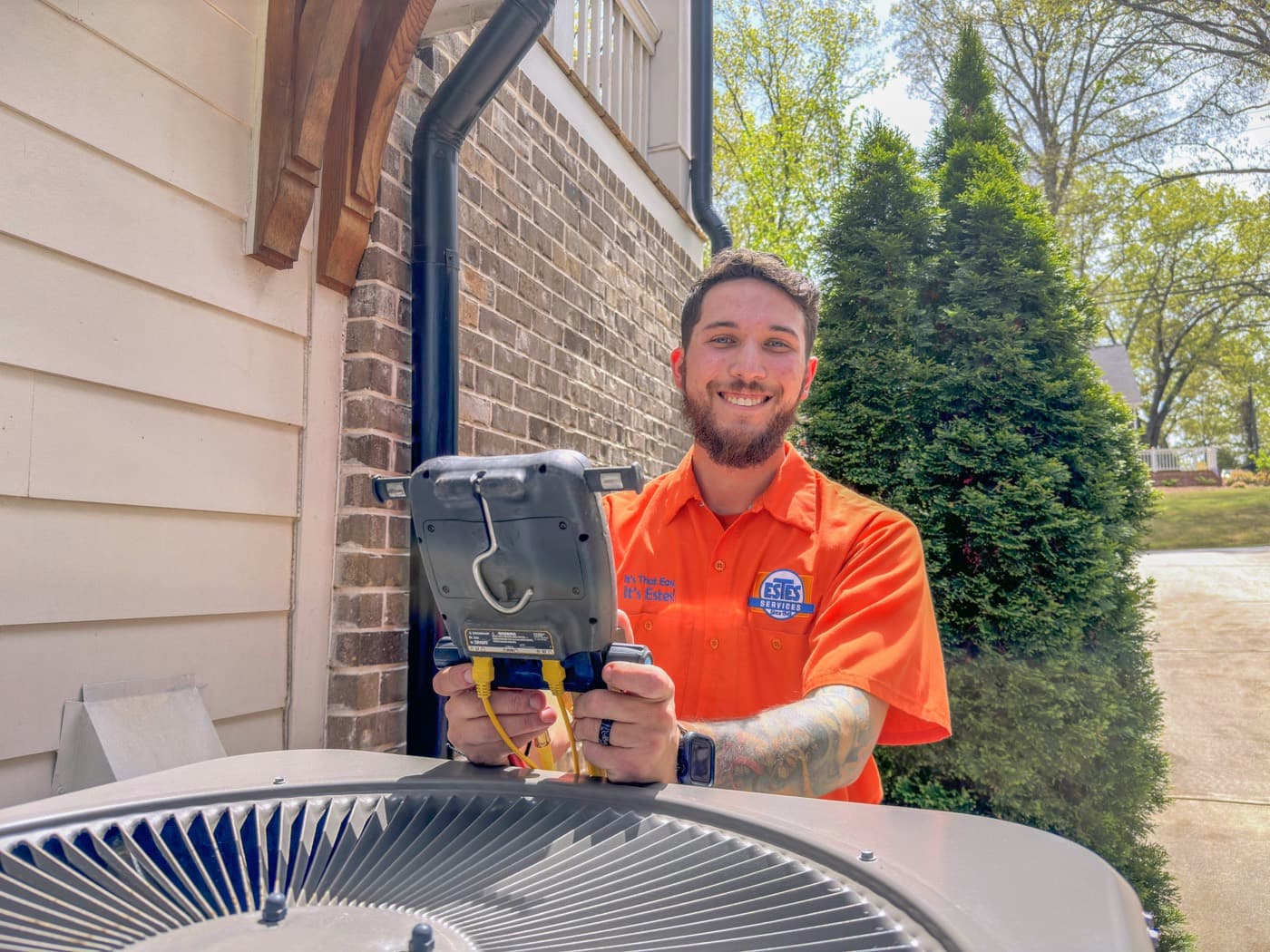
An HVAC technician servicing equipment in the field

Go on, click something. This one’s live. Pick a problem, hit Check, then click a [1] and the real manual opens on the page that answer came from.

Interactive demo · Sample data
Running offline on this laptop

Diagnose — Air conditioner, split R-410A

  1. Say what's wrong
  2. Reading the description
  3. Searching your manuals
  4. Answering from the manual

Say what's wrong

What’s the unit doing?

Say it in your own words. The more you tell it, the better.

Common problems (click to use)

The answer is usually in the manual. The hard part is finding it.

150 pages

And you need one fault code table out of it.

Five PDFs, one rooftop unit

Which one has the procedure in it? Good luck.

No service in the mechanical room

So pulling it off the manufacturer’s site isn’t happening.

Every manufacturer buries it somewhere different, and nobody remembers the model-specific stuff. Faultbench keeps your manuals and the search on the laptop that’s already in your van.

Three steps. That’s the whole thing.

01

Add your manuals

Use the service manuals you already have. IOMs, wiring docs, bulletins, whatever you have saved. Add one once and it stays on that machine.

02

Say what’s wrong

Same words you’d use standing at the unit. Compressor won’t start. Keeps short cycling. What does E7 mean?

03

Check the source

You get the manual name and the page. Click it and the page opens with the passage lit up. Check it yourself, then go fix the unit.

Don’t trust the AI. Check the manual.

I mean that. Every answer comes out of the manuals you added, and it shows you the page it came from. You decide what to do.

Faultbench

With the thermostat calling for cooling, check for 24 VAC across the contactor coil. If it is present and the contactor does not pull in, replace the contactor.

SourceDaikin RS6200301 Service ManualContactor and Control Circuit · page 47View original page →

The demo up there does this for real. Click a citation, the actual PDF opens on the cited page, passage highlighted.

Work through the problem

Faultbench helps you figure out what to check next. You tell it what you see. You enter your readings. It narrows things down and points you back to the manual. You still make the call.

What to check first

A short list, in the order that rules things out fastest.

Your readings go in

Tell it what you measured and what you found. The list gets shorter.

Manual page attached

Every step points at the page it came from, so you can check it before you touch anything.

Step-by-step troubleshooting is partly built. Today you get the ranked list of what to check with the pages attached. Entering readings and narrowing down from them is next.

Built for basements, rooftops and mechanical rooms

Everything sits on the laptop. Your manuals stay available and bad Wi-Fi doesn’t stop the job.

  • Runs on your laptopWindows and macOS. Nothing to wait on.
  • Works without internetSignal drops, you keep working.
  • Your manuals stay yoursThey sit on your disk. Your questions aren’t going off to somebody’s server.
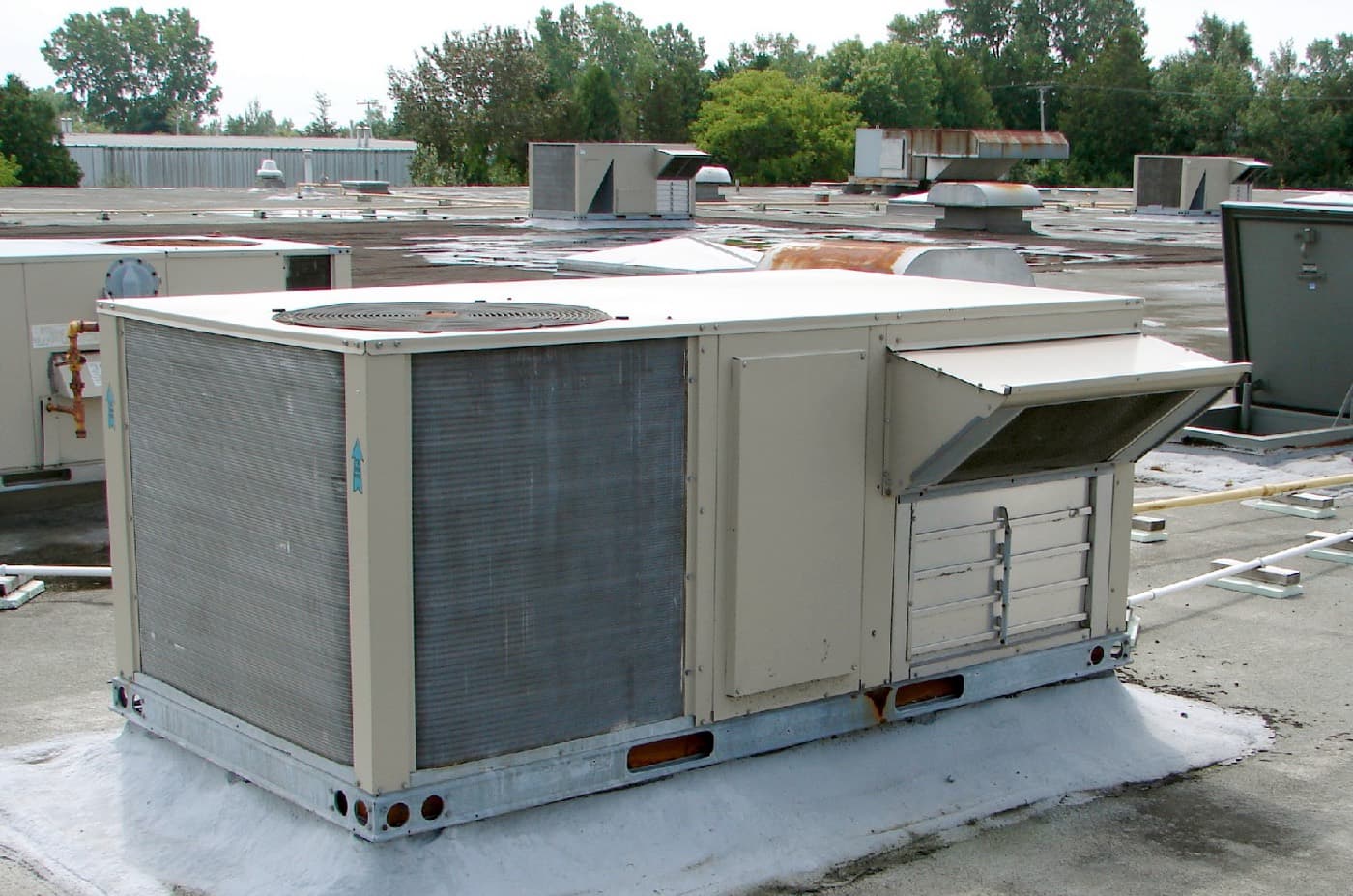
Packaged rooftop air conditioning units on a commercial roof

Compressor not starting

Fan runs, breaker is on, thermostat is calling. Here’s the kind of thing Faultbench walks you through.

  • Is the thermostat calling for cooling?
  • Do you have 24V at the contactor coil?
  • Do you have line voltage coming in?
  • Is the contactor pulling in?
  • Does the compressor read open cold, after it’s cooled?

Each answer narrows down what to check next, and each step comes with the manual page behind it. Same goes for a fault code, a frozen coil, high head pressure on a hot day, or a unit that short cycles after twenty minutes.

A rooftop ventilator unit installed on a building

Keep track of what you checked

Every job you work through gets saved on the machine. Open it back up and the manual pages come with it.

  • The problem, in your wordsWhat the unit was doing when you got there.
  • What you checked and what you foundReadings, and the steps you worked through.
  • The pages you usedSame manual, same page, next time it happens.

Recording readings and what finally fixed it is still being built. Today it saves the problem, the steps and the pages.

I’m looking for techs to try this on real jobs

Use your own manuals. Try the weird equipment. Ask the annoying questions. If Faultbench gets something wrong or wastes your time, I want to hear about it. Windows and macOS, free, no card.

Get the alpha when it ships

Windows and macOS. No card, no account.

One email, when it’s ready. That’s it.

Straight about where it is. Adding manuals, saying what’s wrong, and getting an answer with the page attached all work offline today. One-click citations, a library you can organise, readings you enter, and installers you don’t have to set up are still coming. That’s why there’s a list here and not a download button.